
In Silico Screening, Ligand-Efficiency Analysis and Pharmacokinetic Profiling of Ocimum gratissimum Phytochemicals Targeting the AcrB Multidrug Efflux Pump
DOI:
https://doi.org/10.33003/fjs-2026-1017-6138Keywords:
Antimicrobial Resistance, AcrB Efflux Pump, Ocimum gratissimum, Molecular Docking, Ligand Efficiency, ADMET ProfilingAbstract
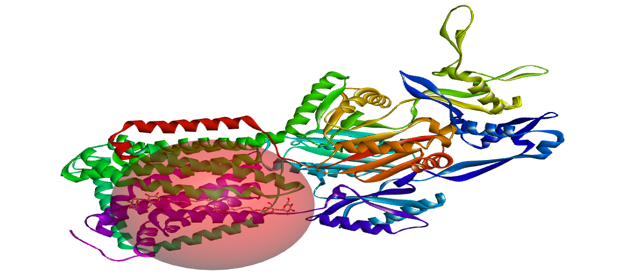
Overexpression of the AcrAB-TolC efflux pump in Escherichia coli drives clinically challenging multidrug resistance, necessitating novel resistance-modifying adjuvants. In this study, an in silico pipeline integrating Glide molecular docking, ADMETlab 3.0 profiling, oral bioavailability modeling, and bioactivity analysis was deployed to evaluate 229 Ocimum gratissimum phytochemicals against the distal binding pocket of the AcrB tight protomer (PDB ID: 4DX5). Glide extra-precision (XP) docking identified high-affinity hits, including ocimol (−10.71 kcal/mol), menthyl chavicol (−8.49 kcal/mol), bulnesol (−7.40 kcal/mol), cubebol (−7.34 kcal/mol), and zizanene (−6.91 kcal/mol), alongside reference antibiotics ciprofloxacin (−10.19 kcal/mol) and meropenem (−7.28 kcal/mol). Binding interaction analyses revealed that ocimol anchors the polar switch loop via an Asn274 hydrogen bond while spanning the hydrophobic pocket. Conversely, the selected sesquiterpenoids embed within the aromatic 'phenylalanine trap' (Phe136, Phe178, Phe610, Phe615, Phe617, and Phe628), suggesting potential steric interference with substrate extrusion pathways. Multi-parameter developability filtering demonstrated that although ocimol achieved the highest docking score, it displayed two Lipinski violations, poor aqueous solubility (ESOL logS = −6.45), and an unfavorable lipophilicity penalty (LELP = 29.18). In contrast, zizanene emerged as the most balanced lead candidate, exhibiting zero Lipinski and PAINS liabilities, balanced solubility (ESOL logS = −3.85), robust ligand efficiency (LE = 0.461 kcal/mol/HA), favorable lipophilic efficiency (LELP = 8.89), and low predicted toxicity. These computational predictions highlight zizanene as a promising computationally prioritized scaffold for further investigation as a potential AcrB-targeting resistance-modifying adjuvant, warranting downstream experimental validation.
References
Abdul-Hammed, M., Adedotun, I., Ismail, U., Ayankoso, S., Abdul-razaq, R., Olajide, M. & Lawal, T. (2024). Investigating the bioactive compounds from Capsicum annum as a probable alternative therapy for prostate cancer treatment: a structure-based drug design approach. Pure and Applied Chemistry, 96(5), 719-742. https://doi.org/10.1515/pac-2023-1111
Achuenu, C., Tanko, S., Nworie, M. O., Edah, A. O., & Adelakun, E. A. (2026). Analgesic activity, phytochemical profiling and toxicity assessment of ethanol extract from Ocimum gratissimum leaves cultivated in Jos, Nigeria. FUDMA Journal of Sciences, 10(5), 249-255.
Alenazy, R. (2022). Drug efflux pump inhibitors: A promising approach to counter multidrug resistance in Gram-negative pathogens by targeting AcrB protein from AcrAB-TolC multidrug efflux pump from Escherichia coli. Biology, 11(9), 1328. https://doi.org/10.3390/biology11091328
Baell, J. B., & Holloway, G. A. (2010). New substructure filters for removal of pan assay interference compounds (PAINS) from screening libraries and for their exclusion in bioassays. Journal of Medicinal Chemistry, 53(7), 2719–2740. https://doi.org/10.1021/jm901137j
Brenk, R., Schipani, A., James, D., Krasowski, A., Gilbert, I. H., Frearson, J., & Wyatt, P. G. (2008). Lessons learnt from assembling screening libraries for drug discovery for neglected diseases. ChemMedChem, 3(3), 435–444. https://doi.org/10.1002/cmdc.200700139
Chambial, P., Thakur, N., Bhukya, P. L., Subbaiyan, A., & Kumar, U. (2025). Frontiers in superbug management: Innovating approaches to combat antimicrobial resistance. Archives of Microbiology, 207(3), 60. https://doi.org/10.1007/s00203-025-04262-x
Chetri, S., Bhowmik, D., Paul, D., Pandey, P., Chanda, D. D., Chakravarty, A., Bora, D., & Bhattacharjee, A. (2019). AcrAB-TolC efflux pump system plays a role in carbapenem non-susceptibility in Escherichia coli. BMC Microbiology, 19(1), 210. https://doi.org/10.1186/s12866-019-1589-1
Daina, A., Michielin, O., & Zoete, V. (2017). SwissADME: A free web tool to evaluate pharmacokinetics, drug-likeness and medicinal chemistry friendliness of small molecules. Scientific Reports, 7, 42717. https://doi.org/10.1038/srep42717
dos Santos, C. A. L., da Silva Pereira, R. L., Pereira-de-Morais, L., Santos, G. J. G., Coutinho, H. D. M., da Cunha, F. A. B., Rodrigues, F. F. G., de Sousa Júnior, D. L., & Silva, J. C. (2025). Antibacterial activity of ethanolic extract of Ocimum gratissimum L. (basil) and its toxicity against Drosophila melanogaster. Pharmacological Research–Natural Products, 7, 100212.
Eicher, T., Cha, H., Seeger, M. A., Brandstätter, L., El-Delik, J., Bohnert, J. A., Kern, W. V., Verrey, F., Grütter, M. G., Diederichs, K., & Pos, K. M. (2012). Transport of drugs by the multidrug transporter AcrB involves an access and a deep binding pocket that are separated by a switch-loop. Proceedings of the National Academy of Sciences, 109(15), 5687–5692. https://doi.org/10.1073/pnas.1114944109
El Zahed, S. S., French, S., Farha, M. A., Kumar, G., & Brown, E. D. (2021). Physicochemical and structural parameters contributing to the antibacterial activity and efflux susceptibility of small-molecule inhibitors of Escherichia coli. Antimicrobial Agents and Chemotherapy, 65(4), e01925-20. https://doi.org/10.1128/AAC.01925-20
Encinar, J. A., Yang, C., Fernández-Ginés, R., Tang, Y., & Cuadrado, A. (2026). ADMET-driven chemical navigability rules for early-stage virtual compound prioritization. Journal of Chemical Information and Modeling, 66(15), 9429–9447. https://doi.org/10.1021/acs.jcim.6c01901
Friesner, R. A., Murphy, R. B., Repasky, M. P., Frye, L. L., Greenwood, J. R., Halgren, T. A., Sanschagrin, P. C., & Mainz, D. T. (2006). Extra precision Glide: Docking and scoring incorporating a model of hydrophobic enclosure for protein-ligand complexes. Journal of Medicinal Chemistry, 49(21), 6177–6196. https://doi.org/10.1021/jm051256o
Fu, L., Shi, S., Yi, J., Wang, N., He, Y., Wu, Z., Peng, J., Deng, Y., Wang, W., Wu, C., Lyu, A., Zeng, X., Zhao, W., Hou, T., & Cao, D. (2024). ADMETlab 3.0: An updated comprehensive online ADMET prediction platform enhanced with broader coverage, improved performance, API functionality and decision support. Nucleic Acids Research, 52(W1), W422–W431. https://doi.org/10.1093/nar/gkae236
Hopkins, A. L., Groom, C. R., & Alex, A. (2004). Ligand efficiency: A useful metric for lead selection. Drug Discovery Today, 9(10), 430–431. https://doi.org/10.1016/S1359-6446(04)03069-7
Hopkins, A. L., Keserü, G. M., Leeson, P. D., Rees, D. C., & Reynolds, C. H. (2014). The role of ligand efficiency metrics in drug discovery. Nature Reviews Drug Discovery, 13(2), 105–121. https://doi.org/10.1038/nrd4163
Irekeola, A. A., Shueb, R. H., Abd Rahman, E. N. S. E., Afolabi, H. A., Wada, Y., Elmi, A. H., Hakami, M. A., Alghzwani, S. M., Elnoubi, O. A., & Alshehri, A. A. (2024). High prevalence of carbapenem-resistant Enterobacterales (CRE) in human samples from Nigeria: A systematic review and meta-analysis. Heliyon, 10(15), e34926. https://doi.org/10.1016/j.heliyon.2024.e34926
Kim, H. Y., Kim, M.-S., & Shin, D. H. (2025). A study of flavonoid inhibitors against Monkeypox H1 phosphatase. Journal of Enzyme Inhibition and Medicinal Chemistry, 40(1), 2535585. https://doi.org/10.1080/14756366.2025.2535585
Lipinski, C. A., Lombardo, F., Dominy, B. W., & Feeney, P. J. (2001). Experimental and computational approaches to estimate solubility and permeability in drug discovery and development settings. Advanced Drug Delivery Reviews, 46(1–3), 3–26. https://doi.org/10.1016/S0169-409X(00)00129-0
Lomovskaya, O., Warren, M. S., Lee, A., Gallegos, A., Villegas, A., Donskey, C. J., & Watkins, W. (2001). Inhibition of efflux pumps as a novel approach to combat multidrug resistance in Gram-negative pathogens. Journal of Antimicrobial Chemotherapy, 47(4), 461–466.
Lu, C., Wu, C., Ghoreishi, D., Chen, W., Wang, L., Damm, W., Ross, G. A., Dahlgren, M. K., Russell, E., von Bargen, C. D., Abel, R., Farid, R., & Harder, E. D. (2021). OPLS4: Improving force field accuracy on challenging regimes of medicinal chemistry space. Journal of Chemical Theory and Computation, 17(7), 4291–4300. https://doi.org/10.1021/acs.jctc.1c00302
Mohanraj, K., Karthikeyan, B. S., Vivek-Ananth, R. P., Chand, R. P. B., Aparna, S. R., Mangalapandi, P., & Samal, A. (2018). IMPPAT: A curated database of Indian medicinal plants, phytochemistry and therapeutics. Scientific Reports, 8, 4329. https://doi.org/10.1038/s41598-018-22631-z
Nakashima, R., Sakurai, K., Yamasaki, S., Hayashi, K., & Nishino, K. (2011). Structures of the multidrug exporter AcrB reveal a proximal multisite drug-binding pocket. Nature, 480(7378), 565–569. https://doi.org/10.1038/nature10641
Odede, K. R., & Okesanya, O. J. (2024). Prevalence, antimicrobial susceptibility, and phenotypic identification of ESBL and carbapenemase-producing Escherichia coli from isolates of patients attending Edo Specialist Hospital, Nigeria. Microbes and Infectious Diseases.
Ogbeide, U. M., & Owowenu, K. O. (2026). In silico antihypertensive potential of phytoconstituents in indigenous leafy vegetables black soup of Vernonia amygdalina (bitter leaf), Ocimum gratissimum (scent leaf), and Piper guineense (uziza) in Edo State, Nigeria. Journal of Applied Sciences & Environmental Management, 30(5), 1525.
Olsson, M. H. M., Søndergaard, C. R., Rostkowski, M., & Jensen, J. H. (2011). PROPKA3: Consistent treatment of internal and surface residues in empirical pKa predictions. Journal of Chemical Theory and Computation, 7(2), 525–537. https://doi.org/10.1021/ct100578z
Opperman, C. H., Kwasny, S. M., Kim, H. S., Nguyen, S. T., O'Rourke, J. F., & Peet, N. P. (2014). Arylpiperazines as inhibitors of the AcrAB-TolC efflux pump of Escherichia coli. Antimicrobial Agents and Chemotherapy, 58(2), 722–733.
Qin, W., Wang, H., Lv, K., Liu, S., Ma, T., Sang, S., & Chen, Y. (2026). Global burden of antimicrobial resistance in lower respiratory infections: A systematic analysis for the Global Burden of Disease Study 2021. International Journal of Antimicrobial Agents, 67(6), 107786. https://doi.org/10.1016/j.ijantimicag.2026.107786
Reynolds, C. H., Tounge, B. A., & Bembenek, S. D. (2008). Ligand binding efficiency: Trends, physical basis, and implications. Journal of Medicinal Chemistry, 51(8), 2432–2438. https://doi.org/10.1021/jm701255b
Reynolds, C. H., Tounge, B. Y., & Bembenek, S. D. (2008). Ligand-efficiency-dependent lipophilicity (LELP) as a guide in lead optimization. ChemMedChem, 3(1), 74–77. https://doi.org/10.1002/cmdc.200700280
Ruggerone, P., Murakami, S., Pos, K. M., & Vargiu, A. V. (2013). RND efflux pumps: Structural information translated into function and inhibition mechanisms. Current Topics in Medicinal Chemistry, 13(24), 3079–3100. https://doi.org/10.2174/15680266113136660220
Sastry, G. M., Adzhigirey, M., Day, T., Annabhimoju, R., & Sherman, W. (2013). Protein and ligand preparation: Parameters, protocols, and influence on virtual screening enrichments. Journal of Computer-Aided Molecular Design, 27(3), 221–234. https://doi.org/10.1007/s10822-013-9644-8
Schultes, S., de Graaf, C., Haaksma, E. E. J., de Esch, I. J. P., Leurs, R., & Krämer, O. (2020). Ligand efficiency metrics in drug discovery: The pros and cons from a practical perspective. Drug Discovery Today, 25(6), 1012–1026.
Sekar, P., Mamtora, D., Bhalekar, P., & Krishnan, P. (2022). AcrAB-TolC efflux pump mediated resistance to carbapenems among clinical isolates of Enterobacteriaceae. Journal of Pure & Applied Microbiology, 16(3), 1982–1988.
Shelley, J. C., Cholleti, A., Frye, L. L., Greenwood, J. R., Timlin, M. R., & Uchimaya, M. (2007). Epik: A software program for pKa prediction and protonation state generation for drug-like molecules. Journal of Computer-Aided Molecular Design, 21(12), 681–691. https://doi.org/10.1007/s10822-007-9134-9
Ugbogu, O. C., Emmanuel, O., Agi, G. O., Ibe, C., Ekweogu, C. N., Ude, V. C., Uche, M. E., Nnanna, R. O., & Ugbogu, E. A. (2021). A review on the traditional uses, phytochemistry, and pharmacological activities of clove basil (Ocimum gratissimum L.). Heliyon, 7(11), e08404. https://doi.org/10.1016/j.heliyon.2021.e08404
Veber, D. F., Johnson, S. R., Cheng, H.-Y., Smith, B. R., Ward, K. W., & Kopple, K. D. (2002). Molecular properties that influence the oral bioavailability of drug candidates. Journal of Medicinal Chemistry, 45(12), 2615–2623. https://doi.org/10.1021/jm020017n
Westermaier, Y. (n.d.). In silico pharmacology in drug discovery: Methods for binding affinity prediction, identifying. Retrieved September 9, 2026, from https://access.archive-ouverte.unige.ch/access/metadata/233cb277-5f06-4215-9816-eab9fd081671/download
Xiong, G., Wu, Z., Yi, J., Fu, L., Yang, Z., Hsieh, C., Yin, M., Zeng, X., Wu, C., Lu, A., Chen, X., Hou, T., & Cao, D. (2021). ADMETlab 2.0: An integrated online platform for accurate and comprehensive predictions of ADMET properties. Nucleic Acids Research, 49(W1), W5–W14. https://doi.org/10.1093/nar/gkaa1000
Zeb, S., Nazir, A., Hameed, M. F., Ikram, S., Haider Naqvi, S. Z., Shoaib, M., Butaye, P., Wang, Z., Li, R., & Lu, X. (2026). Colistin resistance in Gram-negative bacteria: Mechanisms, transmission, and novel intervention strategies. Microorganisms, 14(1), 173. https://doi.org/10.3390/microorganisms14010173
Zhou, H., Du, J., Jia, M., Li, Y., & Zheng, K. (2026). Medicinal plants: A promising therapeutic approach for addressing antimicrobial resistance. International Journal of Molecular Sciences, 27(11), 4804. https://doi.org/10.3390/ijms27114804
Zwama, M., Kuroda, T., Mogi, T., Mizushima, T., & Tsuchiya, T. (2018). Structural basis of non-substrate recognition by the multidrug efflux pump AcrB. Nature Communications, 9, 322.
Downloads
Published
Issue
Section
Categories
License
Copyright (c) 2026 Ubeydat Temitope Ismail, Misbaudeen Abdul-Hammed, Olusola Nathaniel Majolagbe, Monsurat Olajide

This work is licensed under a Creative Commons Attribution 4.0 International License.


