
Effects of Refrigeration and Daily Decantation on the Nutritional Composition and Antinutritional Factors of Soaked Sorghum (Sorghum bicolor)
DOI:
https://doi.org/10.33003/Keywords:
Sorghum, guinea corn, refrigeration, decantation, proximate compositionAbstract
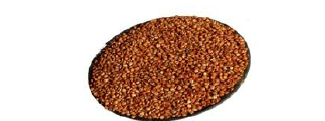
Sorghum (Sorghum bicolor), normally known as guinea corn, is an important Nigerian cereal whose nutritional composition may vary during processing and storage. This study compared the proximate composition, mineral content, antinutritional factors and vitamin C of soaked guinea corn stored under refrigeration and daily decantation. A single batch was divided into two portions: one refrigerated at 4 ± 2 °C without water replacement, and the other maintained at 28 ± 2 °C with daily water replacement for 21 days. Proximate composition was determined using AOAC methods, minerals by atomic absorption spectrophotometry, and antinutritional factors and vitamin C using laboratory procedures. Results were expressed as mean ± standard deviation of triplicate determinations and analysed descriptively. Refrigerated samples recorded higher ash (0.96%), fibre (3.54%) and carbohydrate (42.33%), while decanted samples had higher moisture (56.00%), lipid (2.18%) and protein (2.84%). Refrigerated samples contained more calcium, copper, sodium, potassium and iron, whereas decanted samples had higher zinc and manganese. Decanted samples also recorded lower phytate and oxalate but higher vitamin C (3.03 mg/100 g) than refrigerated samples (2.17 mg/100 g). These findings demonstrate differences in measured nutritional composition between the storage conditions. However, the study was limited by the use of one experimental batch, and nutrient losses through discarded water were not assessed. Further independently replicated studies incorporating dry-matter standardisation, nutrient-retention calculations and microbiological assessment are necessary before recommending either method for prolonged household storage
References
Adebo, J. A., & Kesa, H. (2023). Evaluation of nutritional and functional properties of anatomical parts of two sorghum (Sorghum bicolor) varieties. Heliyon, 9(6), Article e17296. https://doi.org/10.1016/j.heliyon.2023.e17296
Alhashem, S. H. S., Ehsani, M. R., Akhondzadeh Basti, A., & Sharifan, A. (2024). Functional, nutritional, and sensorial evaluation of sorghum-based beverages produced by single- and two-stage acid, α-amylase enzyme, and germination treatments. Food Science & Nutrition, 12(10), 8129–8136. https://doi.org/10.1002/fsn3.4299
Asiri, S. A. (2025). Phytate reduction in sorghum grains cultivated in Saudi Arabia. Brazilian Journal of Food Technology, 28, Article e2024108. https://doi.org/10.1590/1981-6723.10824
Association of Official Analytical Chemists. (1990). Official methods of analysis (15th ed.). Association of Official Analytical Chemists.
Day, R. A., & Underwood, A. L. (1986). Quantitative analysis (5th ed.). Prentice-Hall.
Keyata, E. O., Tola, Y. B., Bultosa, G., & Forsido, S. F. (2021). Premilling treatments effects on nutritional composition, antinutritional factors, and in vitro mineral bioavailability of the improved Assosa I sorghum variety (Sorghum bicolor L.). Food Science & Nutrition, 9(4), 1929–1938. https://doi.org/10.1002/fsn3.2155
Li, Z., Zhao, X., Zhang, X., & Liu, H. (2022). The effects of processing on bioactive compounds and biological activities of sorghum grains. Molecules, 27(10), Article 3246. https://doi.org/10.3390/molecules27103246
Lolas, G. M., & Markakis, P. (1975). Phytic acid and other phosphorus compounds of beans (Phaseolus vulgaris L.). Journal of Agricultural and Food Chemistry, 23(1), 13–15. https://doi.org/10.1021/jf60197a016
Ojo, O. I., Ogunlade, I., & Olanipekun, A. D. (2021). Comparative study of nutritional, functional and anti-nutritional properties of white Sorghum bicolor and Pennisetum glaucum. International Journal of Engineering Technologies and Management Research, 8(2), 15–25.
Rugwete, N., Mutibvu, T., Halimani, T. E., & Nyakudya, E. (2024). Effect of soaking, malting and fermentation on nutritional and phytochemical properties of red sorghum as a livestock feed ingredient. Journal of Agriculture, Food, Environment and Animal Sciences, 5(2), 148–163. https://www.jafeas.com/index.php/j1/article/view/163
Soni, K., Samtiya, M., Krishnan, V., & Dhewa, T. (2022). Antinutritional factors: Nutrient bioavailability and health beneficial effects. In R. S. V. Ramesh & S. Praveen (Eds.), Conceptualizing plant-based nutrition: Bioresources, nutrients repertoire and bioavailability (pp. 157–179). Springer Nature Singapore. https://doi.org/10.1007/978-981-19-4590-8_8
Zubair, A. B., Ojo, M. O., Femi, F. A., Maxwell, Y. M. O., Isah, L. R., & Owheruo, J. O. (2023). Anti-nutrients composition of starch isolated from red and white sorghum cultivars subjected to different steeping time. Asian Journal of Food Research and Nutrition, 2(4), 367–373. https://journalajfrn.com/index.php/AJFRN/article/view/60
Downloads
Published
Issue
Section
Categories
License
Copyright (c) 2026 E. B Iorliam, Bridget Ebehiremen Iorliam, Chisom Onyinye Chukwunazom

This work is licensed under a Creative Commons Attribution 4.0 International License.


